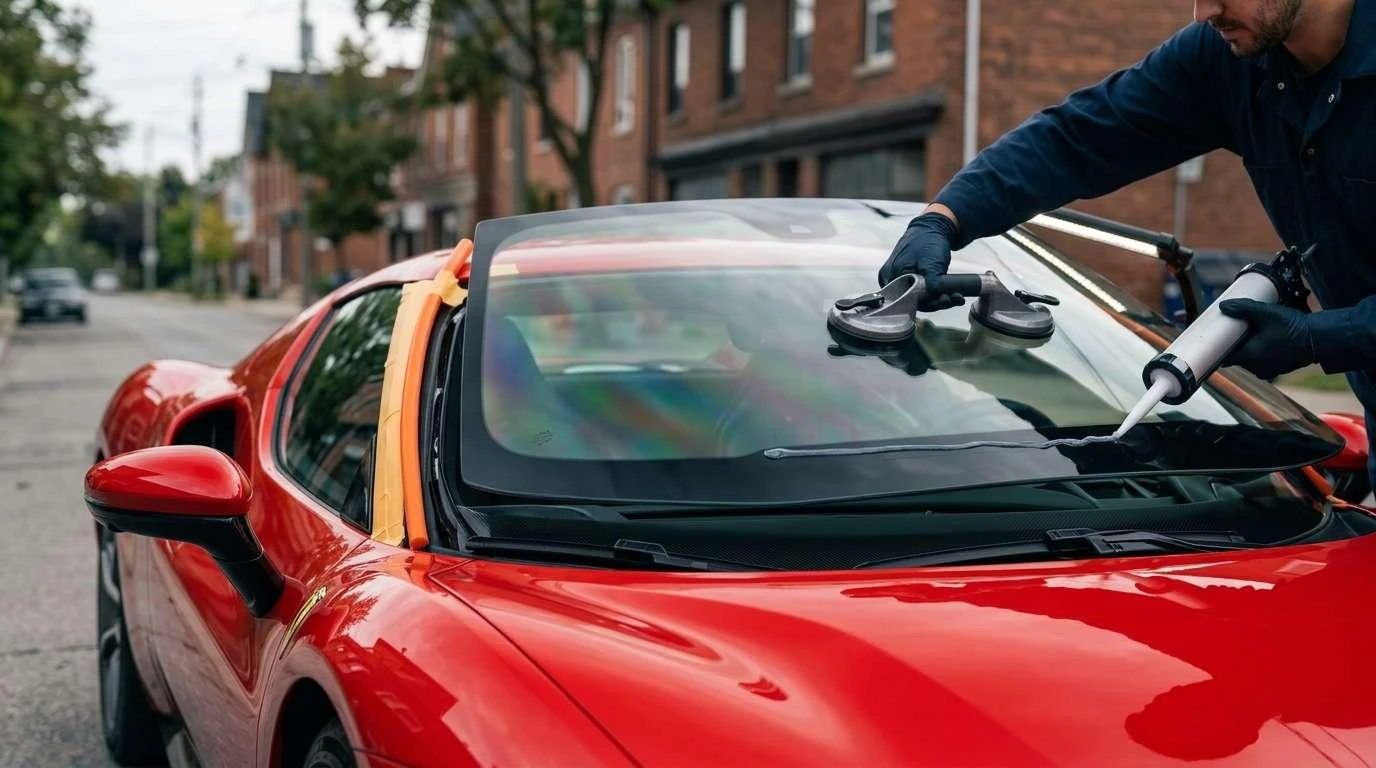
Luxury car glass is more than a transparent panel. Depending on the vehicle, it may include acoustic insulation, heating elements, rain sensors, cameras, head-up display (HUD) technology, or other integrated features. Choosing the wrong replacement glass can lead to fitment problems, increased installation costs, or electronic system malfunctions.
For repair shops, auto body shops, distributors, and professional parts buyers, selecting the correct aftermarket auto glass requires careful attention to vehicle compatibility, glass specifications, quality, and supplier reliability.
This guide explains what to check before ordering aftermarket auto glass for luxury vehicles.
Before requesting a quotation, identify which glass component your vehicle needs. Luxury cars may use different glass specifications across models, production years, and trim levels.
Common replacement glass components include:
● Windshields: May feature acoustic layers, rain sensors, cameras, heating elements, or HUD compatibility.
● Door glass: Includes front and rear door windows, which may differ in shape, thickness, and tint.
● Rear windshields: May include integrated defroster lines or antenna elements.
● Quarter glass: Small fixed glass panels that can vary significantly between body styles.
● Panoramic roof glass: Requires precise dimensions, mounting points, and compatibility with the roof assembly.
When sourcing glass for Ferrari, Lamborghini, Bentley, Rolls-Royce, Aston Martin, McLaren, or Porsche, do not rely on the vehicle model alone. Confirm the exact position and specification of the required component.
Correct fitment is one of the most important considerations when buying aftermarket auto glass. Two vehicles that look almost identical may use different glass due to production changes, optional equipment, or regional specifications.
Before ordering, prepare the following information:
● VIN: Helps identify the vehicle's exact configuration.
● Production year: Model year and actual production date may differ.
● Vehicle model and trim: Include the exact model and body style.
● OE part number: Compare the original part number whenever available.
● Glass markings and features: Check tint, acoustic markings, sensor brackets, and other visible specifications.
For more accurate matching, provide clear photos of the original glass markings and mounting areas when possible.
You can also browse our Luxury Car Parts to explore replacement parts for different luxury vehicle brands.
Always confirm compatibility with the supplier before arranging payment or shipment. A similar appearance does not guarantee a correct fit.
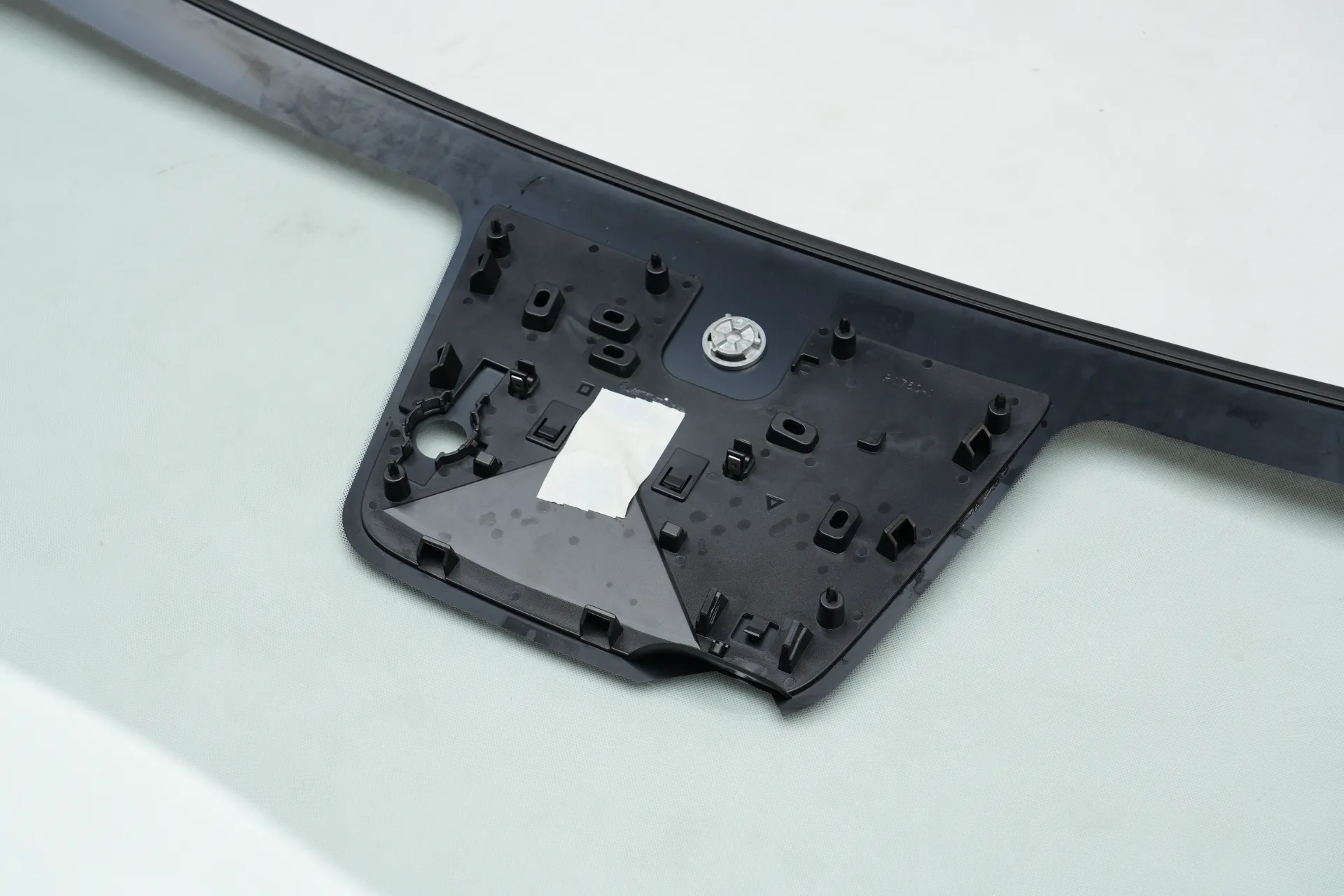
Modern luxury vehicles often use windshields and other glass components that support electronic systems. Replacing the glass with an incompatible version can create additional repair work.
Pay particular attention to these features:
● ADAS cameras: Some windshields have specific camera mounting brackets or optical requirements.
● Rain and light sensors: The glass may need a compatible sensor area or mounting arrangement.
● Head-up display (HUD): HUD-compatible windshields may require a special optical layer to display information correctly.
● Acoustic insulation: Laminated acoustic glass helps reduce cabin noise.
● Heating elements: Certain glass components include integrated heating or defrosting functions.
● Antenna systems: Some rear or side glass panels incorporate radio or communication antennas.
Not every vehicle has all these features. Confirm the original equipment and required specifications before selecting a replacement.
If the replacement involves a windshield-mounted camera, check whether calibration or additional electronic procedures will be required after installation. Requirements vary by vehicle and system.
Price matters, particularly for repair businesses managing multiple orders, but the lowest quotation is not always the most cost-effective option.
When evaluating aftermarket auto glass, check:
● Safety compliance: Confirm that the glass meets the applicable safety standards in the destination market.
● Material and construction: Verify whether the component is laminated or tempered as required for its application.
● Optical clarity: Look for visible distortion, uneven tint, or defects that could affect visibility.
● Dimensions and edge finishing: Incorrect dimensions or poor finishing may cause installation difficulties.
● Bracket and mounting quality: Sensor holders and attachment points should match the required configuration.
● Packaging protection: Glass must be secured against impact, vibration, and movement during transportation.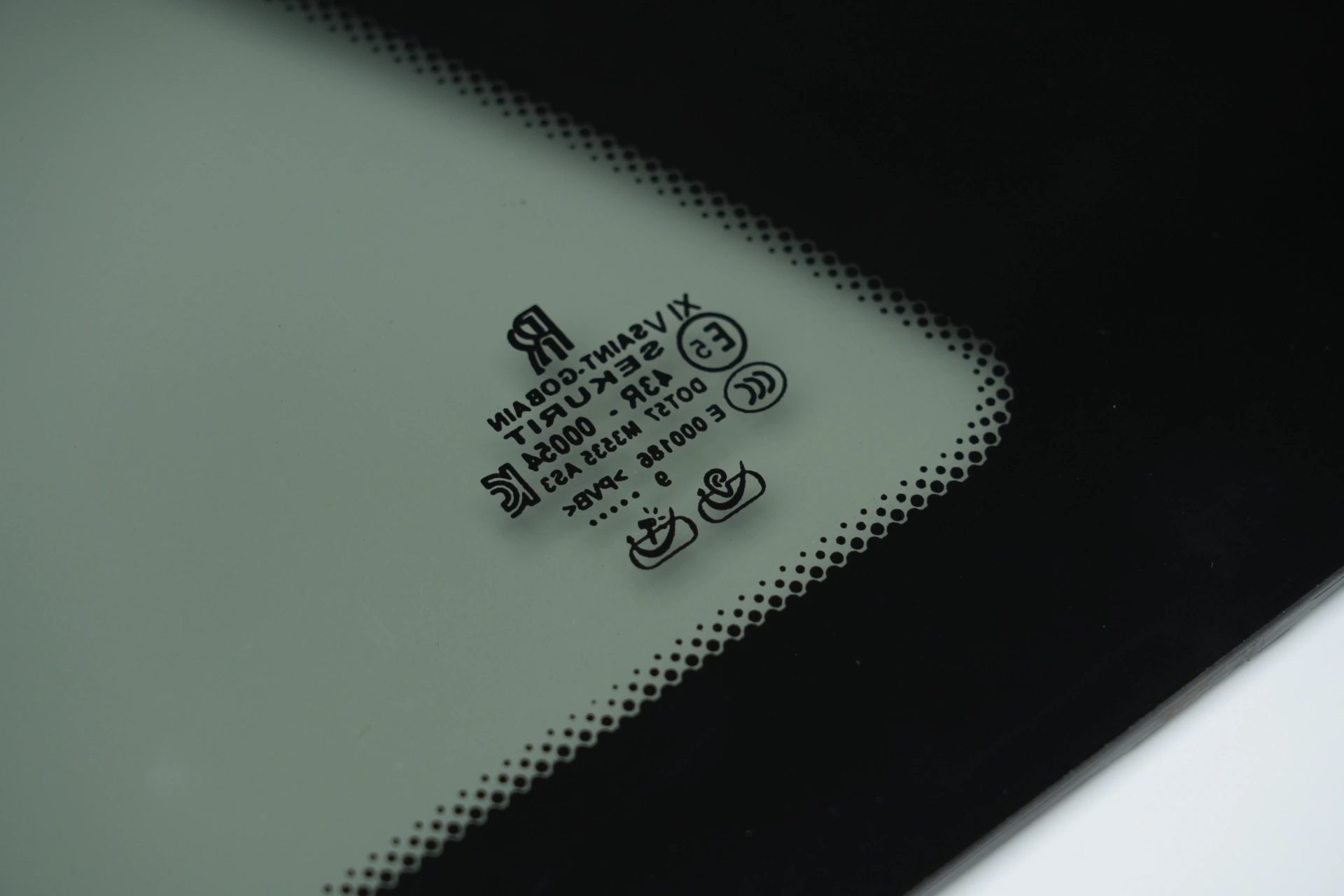
Ask the supplier for actual product photos, markings, and packaging details before shipment. For bulk orders, establish the required specifications and inspection process in advance.
Aftermarket auto glass is one option for replacement, but it is not necessarily the best choice for every vehicle or repair situation. The right decision depends on availability, budget, fitment requirements, and the vehicle's original configuration.
Aftermarket auto glass may be suitable when the replacement meets the required specifications and offers a cost-effective solution.
New OEM glass may be preferred when the repair requires the original manufacturer's specification or a particular factory configuration.
OEM used auto glass can be worth considering when a suitable original part is difficult to source, especially for older or discontinued luxury vehicle models. However, the condition must be carefully checked for chips, cracks, scratches, delamination, and damage around mounting points.
For professional buyers, the key is to compare the actual specifications and condition rather than making a decision based on price alone.
You can explore our OEM Used Auto Parts for available original replacement components. Availability and suitability should be confirmed for each specific vehicle and part number.
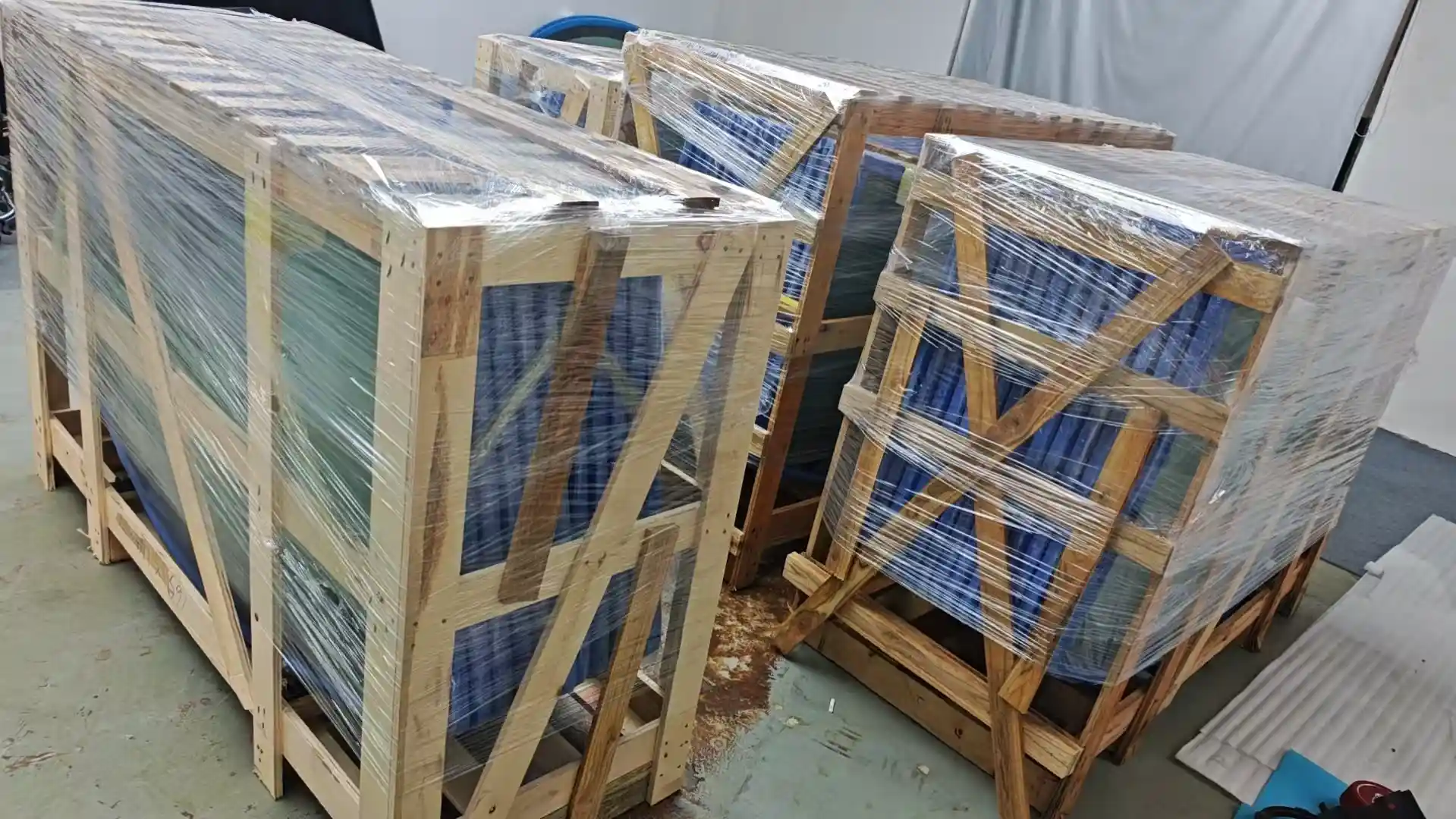
Even correctly matched glass can become a problem if installation requirements or transportation arrangements are overlooked.
Before ordering, confirm the following details with your supplier and installer:
● Whether the glass includes the required brackets, clips, or attached components.
● Whether existing sensors or trim pieces need to be transferred.
● Whether special tools or professional installation are required.
● Whether camera calibration or other system checks are necessary.
● Whether the glass can be shipped safely to your destination.
● Whether the quotation includes packaging, freight, and other applicable costs.
For international orders, ask how the glass will be packed and protected. Proper cushioning, reinforced packaging, and secure positioning help reduce the risk of transportation damage.
If you are purchasing multiple parts for a collision repair, providing a complete parts list can also help the supplier coordinate compatibility checks and shipping arrangements.
A reliable supplier should do more than provide a price. They should help verify the required specification, communicate clearly about availability, and provide useful product information before dispatch.
When comparing suppliers, consider whether they can provide:
● Part-number and VIN-based compatibility checks.
● Clear photos of the actual product when available.
● Accurate information about condition and specifications.
● Protective export packaging and international shipping support.
● Clear communication about availability, lead time, and warranty terms.
For buyers sourcing parts across multiple luxury brands, working with a supplier familiar with vehicles such as Bentley Parts and Aston Martin Parts may also make it easier to coordinate different replacement requirements.
At Guangzhou Shangjia Auto Parts Co., Ltd., we supply luxury and supercar parts, including OEM used dismantled parts and aftermarket components. Our team can help check availability and fitment based on the vehicle details and part information you provide.
Choosing the right aftermarket auto glass starts with accurate vehicle information and a clear understanding of the original specifications.
Before requesting a quotation, prepare your:
● Vehicle make, model, and production year
● VIN
● Required glass position
● OE part number, if available
● Photos of the original glass markings, if available
Send us these details to check availability, confirm compatibility, and discuss shipping options for your required luxury car parts.
Contact our team with your VIN or OE number to get started.

 EN
EN